المدونة
Blog

What you don't know about self-healing asphalt - The best asphalt contractor in Riyadh
In recent decades, road maintenance has faced both physical and human challenges, contributing to the emergence of the concept of self-healing asphalt as one of the most exciting and promising innovations in infrastructure. But what is this asphalt? How does it work? And why is it a radical transformation in the world of road construction and maintenance?
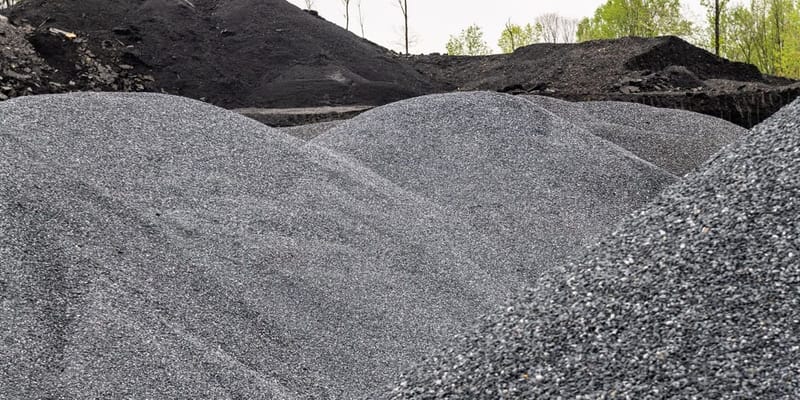
Properties of Aggregates in Asphalt Mixes - Best Asphalt Works in Riyadh
Aggregates are one of the main components in asphalt mixes. They represent the largest part of the mix volume, constituting between 90% and 95% of its weight. The importance of aggregates lies in their direct impact on the performance of asphalt roads in terms of strength, durability, slip resistance, and deformation. Therefore, selecting the appropriate aggregate and controlling its physical and engineering properties is vital in designing successful and sustainable asphalt mixes.
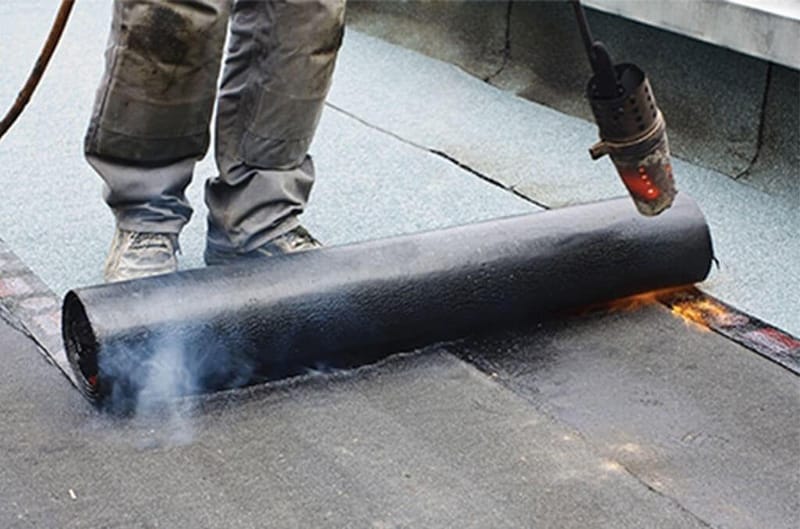
Properties and Applications of Polymer Asphalt - Best Asphalt Contractor in Riyadh
Polymer asphalt represents a major advancement in road construction technology, offering long-term performance and sustainability. It is an advanced form of traditional asphalt, with polymeric additives added to improve its performance and durability.
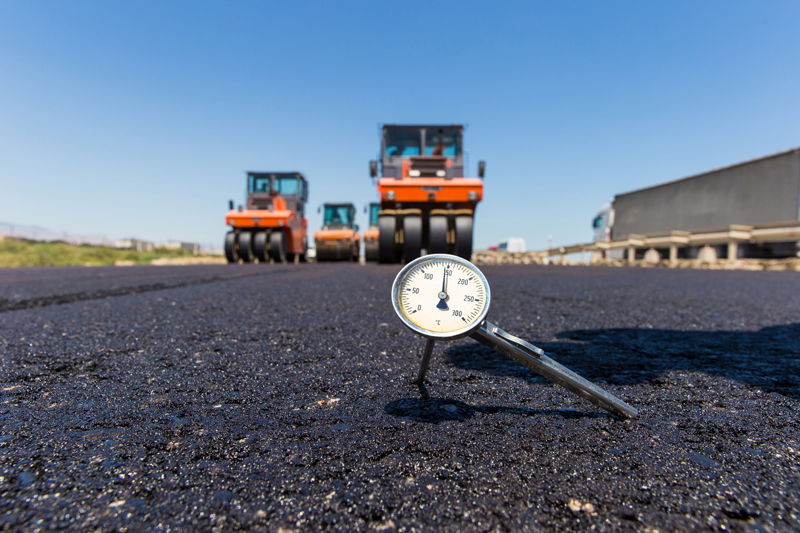
What is the permissible asphalt temperature during maintenance? - Road Supplies Contracting Establishment
The permissible asphalt temperature during maintenance is critical to ensuring proper use, compaction, and long-term durability. Both the asphalt mixture temperature and ambient conditions play an important role in the success of maintenance work.
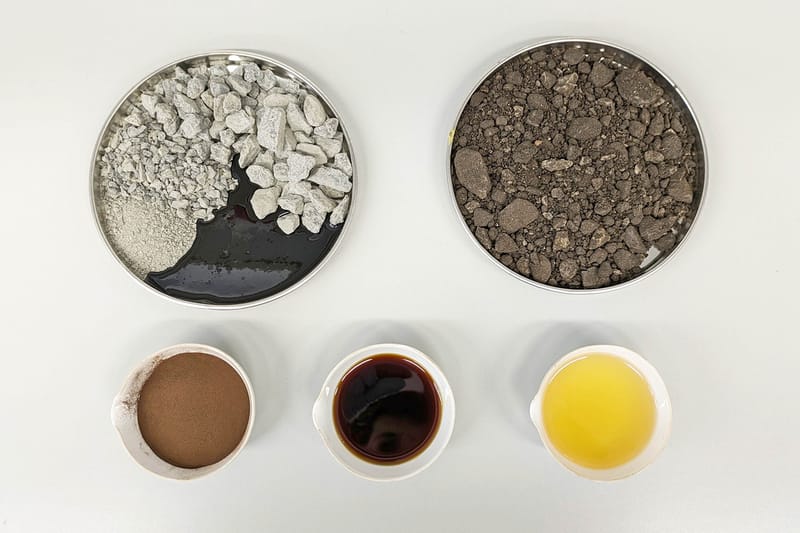
Bioasphalt: Properties and Benefits | Road Supplies Contracting Est.
As the world moves towards sustainable development and environmentally friendly alternatives, the construction sector is rethinking traditional materials and exploring new innovations. Among these innovations is bioasphalt, an environmentally friendly alternative to traditional petroleum-based asphalt. Bioasphalt is made from renewable biological resources and holds great promise in reducing the environmental impact of road construction and maintenance. In this article, we explore what bioasphalt is, how it's manufactured, its properties, and its benefits.
Properties of Polymer Modified Asphalt - Road Supplies Contracting Est.
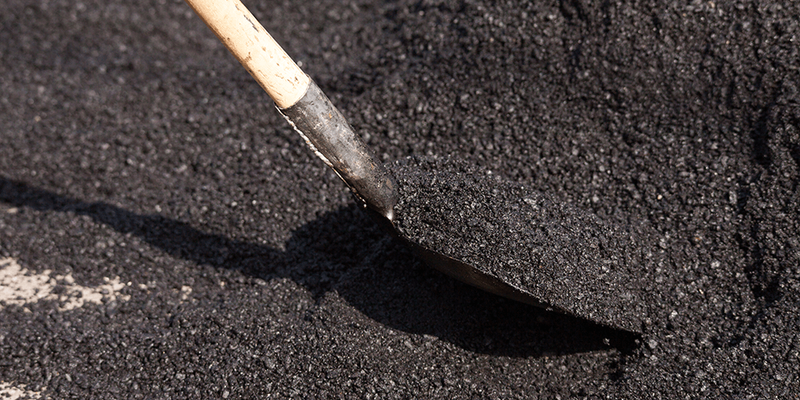
Asphalt is one of the most important materials used in the construction and maintenance of road networks, due to its physical and engineering properties that enable it to withstand various traffic loads. However, the properties of traditional asphalt may not be sufficient to confront harsh environmental factors. Hence, the need to develop asphalt performance using improved materials emerged. The most prominent of these materials were polymers.
Stages of formation of natural and artificial asphalt - Road Supplies Contracting Establishment
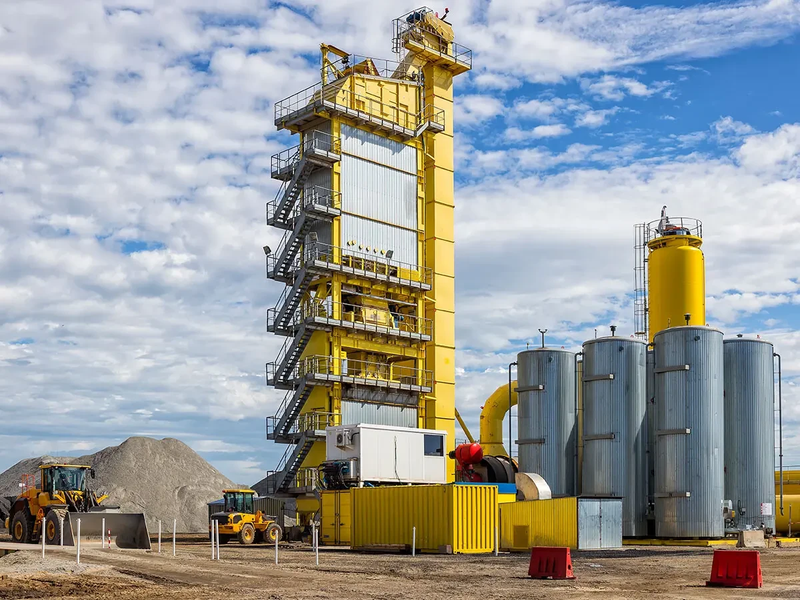
Asphalt is a black, viscous material used primarily for road paving and waterproofing. It can be classified into two main types: natural asphalt and synthetic (or refined) asphalt. Both types are used in infrastructure projects, but the choice between them depends on several factors such as cost, performance, and geographical environment.
The Importance of Testing Asphalt Density and Compaction After Paving - Best Asphalt Contractor in Riyadh
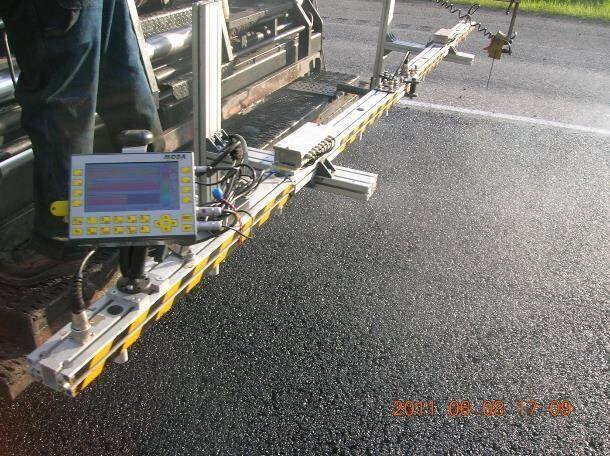
The importance of testing the density and compaction of asphalt after paving is a crucial factor in ensuring the durability and performance of road infrastructure. Proper density and compaction of asphalt are essential to ensure the safety, durability and integrity of the overall structure.
Asphalt Cracks: Causes and Treatments - Asphalt Contractor in Riyadh
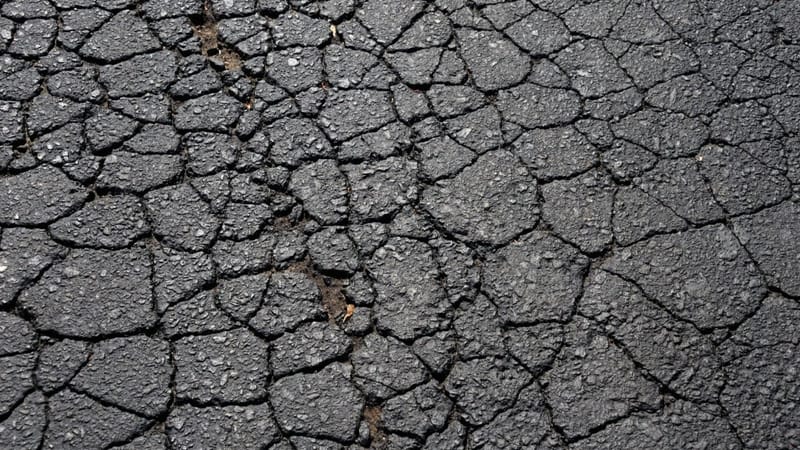
Asphalt cracks are a common problem that can appear on various paved surfaces, such as roads, driveways, and parking lots. These cracks are not only unsightly but can also lead to further damage if left untreated. Understanding the causes and effective treatment methods is crucial to maintaining the integrity and longevity of asphalt surfaces.
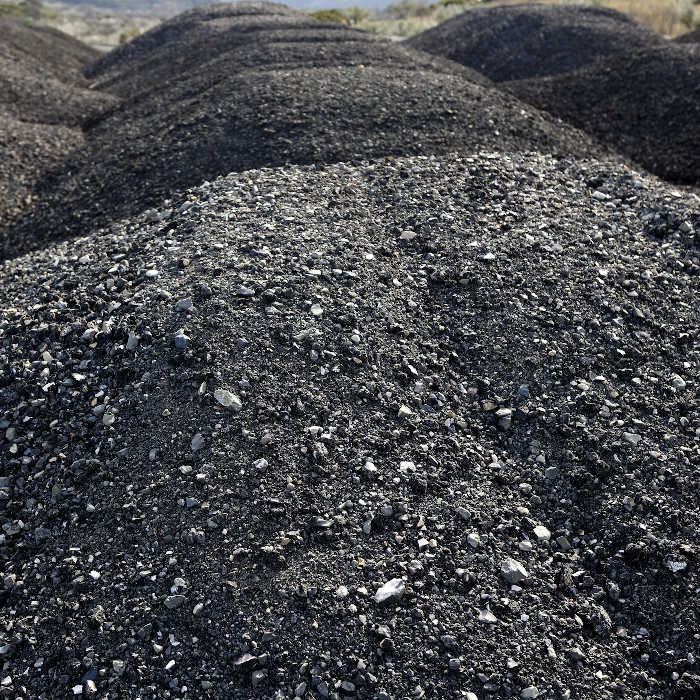
A comprehensive guide to the types of asphalt and their various uses - Road Supplies Establishment
Asphalt is a versatile material widely used in the construction and paving industries. There are several types of asphalt, each with its own unique properties and applications. In this article, we will explore the different types of asphalt and their main uses.
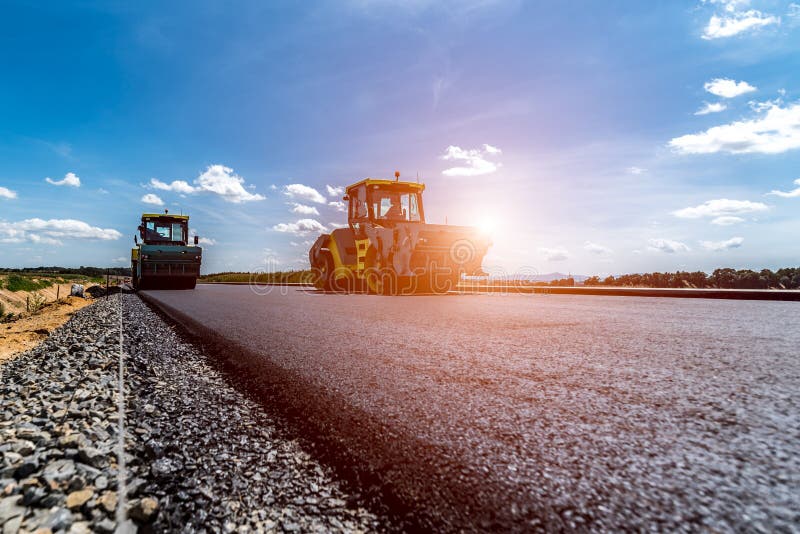
The Role of Asphalt in Improving Road Safety and Reducing Accidents - Road Supplies Establishment
Asphalt is a versatile and widely used building material that plays a pivotal role in modern infrastructure. Its use in road construction and maintenance significantly improves road safety, reduces accident rates, and improves driving conditions for all road users.