المدونة
Blog
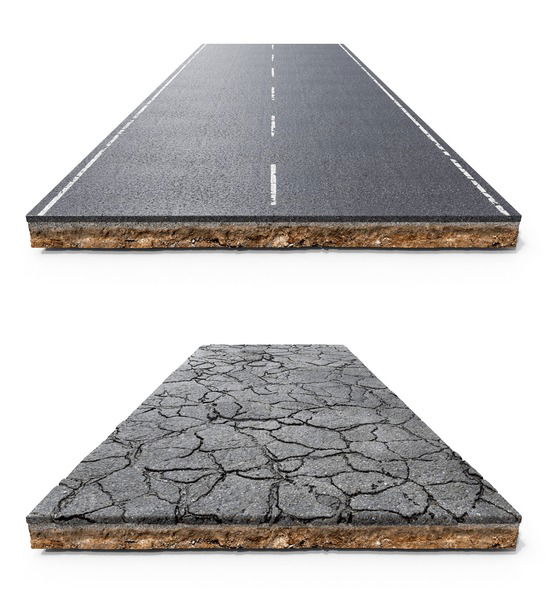
How many layers of asphalt are used for road paving? - Asphalt Works Company in Riyadh
Road paving is a vital engineering process that requires careful planning and consideration of a range of engineering and geographical factors. The use of multiple layers of asphalt is one of the most important elements of this process, as it contributes to achieving durability, sustainability, and optimal road performance in the long term. In this article, we will discuss the number of asphalt layers typically used in road paving, the function of each layer, and the engineering considerations that determine the number and thickness of these layers.
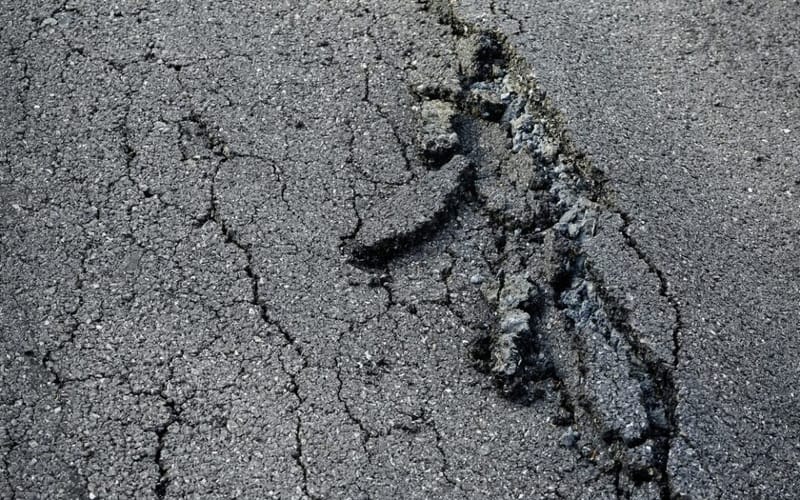
Poor installation or maintenance of asphalt works - Asphalt maintenance contractor in Riyadh
The quality of asphalt layer implementation is a critical factor in determining the lifespan and operational efficiency of a road. However, many problems observed in road infrastructure are essentially due to poor installation or neglect of routine maintenance, which leads to rapid deterioration of the asphalt surface, jeopardizing traffic safety, and incurring significant economic costs for repair.