المدونة
Blog
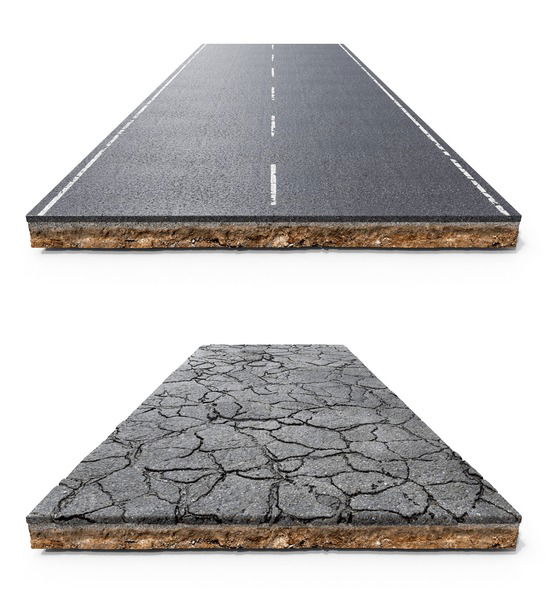
How many layers of asphalt are used for road paving? - Asphalt Works Company in Riyadh
Road paving is a vital engineering process that requires careful planning and consideration of a range of engineering and geographical factors. The use of multiple layers of asphalt is one of the most important elements of this process, as it contributes to achieving durability, sustainability, and optimal road performance in the long term. In this article, we will discuss the number of asphalt layers typically used in road paving, the function of each layer, and the engineering considerations that determine the number and thickness of these layers.
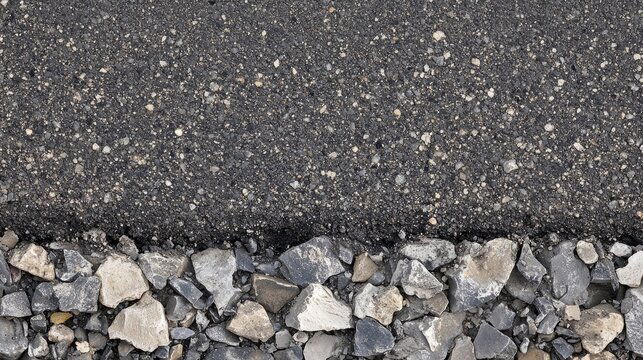
Factors affecting the thickness of road paving layers - Asphalt Contracting Company in Riyadh
Pavement layers are a fundamental element in road design, contributing to the handling of traffic loads and their distribution to the natural soil (base), ensuring the safety and long-term sustainability of the road. Accurately determining the thickness of pavement layers is an essential step in ensuring road operational efficiency and reducing future maintenance costs.
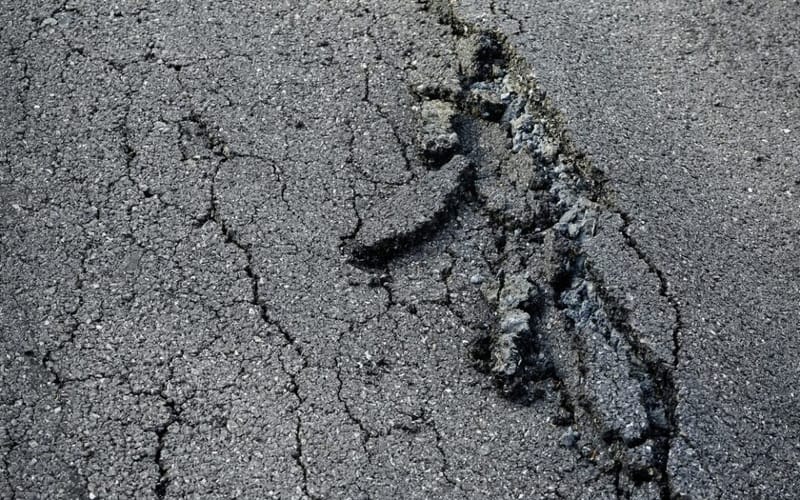
Poor installation or maintenance of asphalt works - Asphalt maintenance contractor in Riyadh
The quality of asphalt layer implementation is a critical factor in determining the lifespan and operational efficiency of a road. However, many problems observed in road infrastructure are essentially due to poor installation or neglect of routine maintenance, which leads to rapid deterioration of the asphalt surface, jeopardizing traffic safety, and incurring significant economic costs for repair.
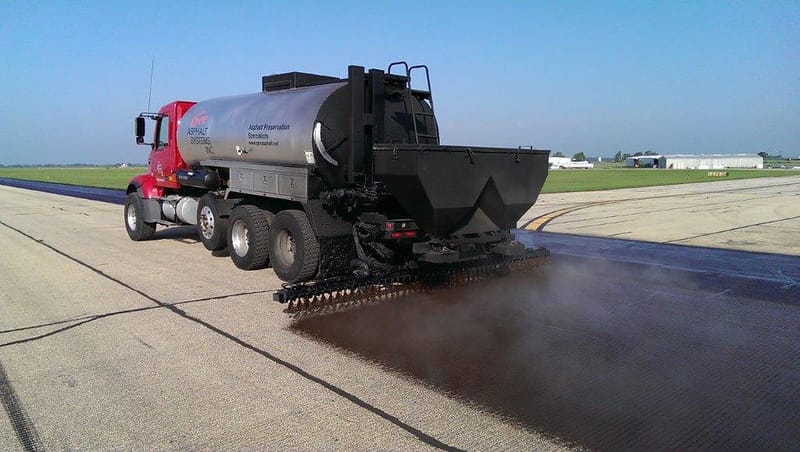
How does a sealant layer extend the life of asphalt pavements? | The best asphalt contracting company in Riyadh
Asphalt pavements are vital infrastructure in any road network, constantly exposed to environmental and mechanical factors that lead to their deterioration over time. One effective means of preserving these pavements and extending their operational life is the use of a seal coat.
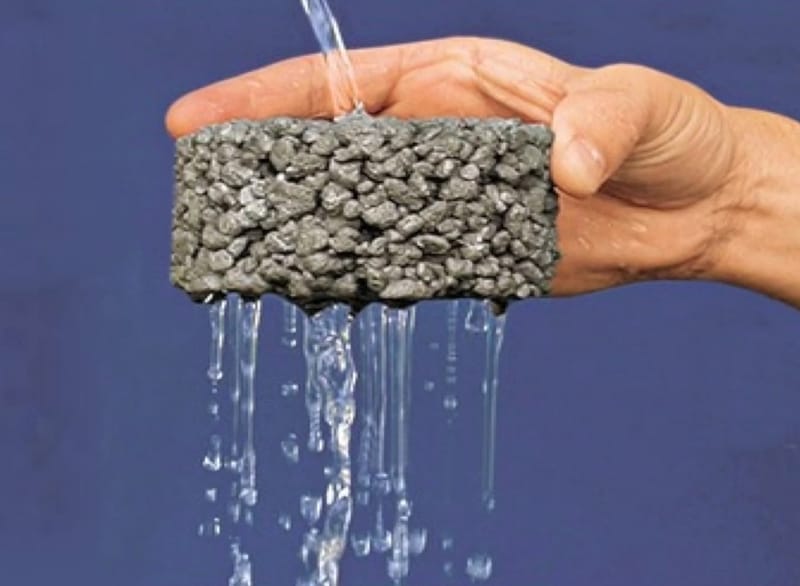
What is porous asphalt, its components, and its benefits? - Asphalt contractor in Riyadh
Porous asphalt, also known as permeable or sponge asphalt, is a specialized type of asphalt paving that has gained popularity in recent years due to its numerous environmental and functional benefits.
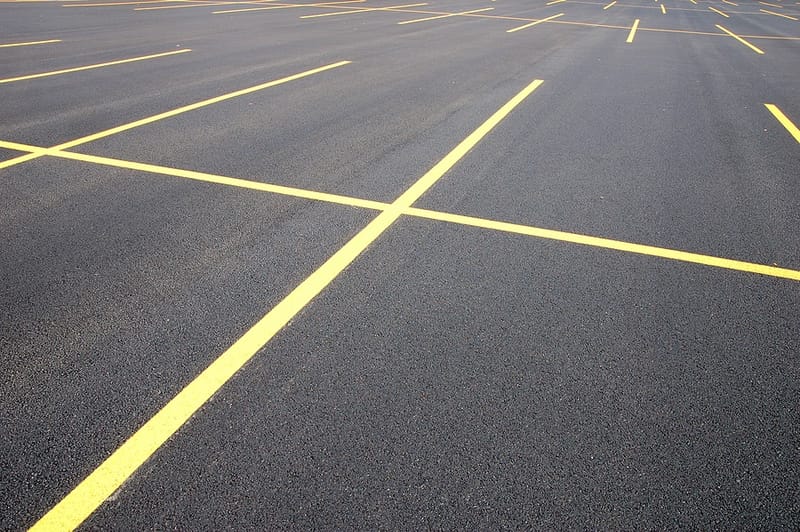
How do roads work and how are they constructed? | The best asphalt company in Riyadh
Roads are an essential part of modern transportation, enabling people, goods, and services to be moved efficiently across vast distances. Understanding the structure and function of roads is crucial to their effective design, construction, and maintenance. In this article, we will explore the key elements that enable roads to operate efficiently.