المدونة
Blog
Types of rubber asphalt and their properties - Road Supplies Contracting Establishment
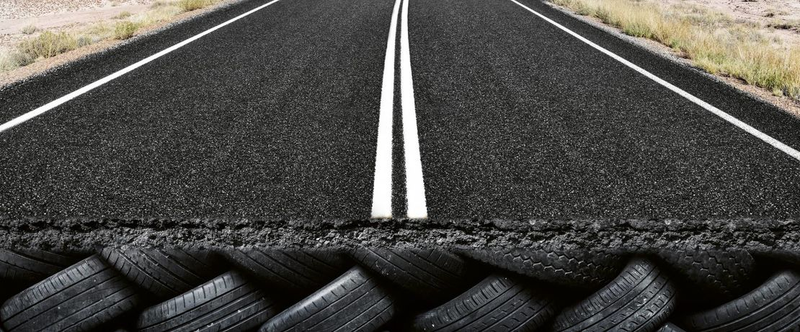
Rubberized asphalt represents a versatile and sustainable alternative to traditional paving materials. Each type—rubberized asphalt, final mix, hot rubberized asphalt, or warm compound rubber asphalt—offers unique advantages, from increased pavement life to environmental benefits. Choosing the right type depends on project requirements, budget, and environmental considerations.

What is the permissible asphalt temperature during maintenance? - Road Supplies Contracting Establishment
The permissible asphalt temperature during maintenance is critical to ensuring proper use, compaction, and long-term durability. Both the asphalt mixture temperature and ambient conditions play an important role in the success of maintenance work.

Comparing Hot, Warm, and Cold Asphalt: Which is Best for Your Project? - Road Supplies Contracting Est.
Asphalt temperature typically significantly affects its performance and applications in construction projects. There are three main types of asphalt based on temperature: hot, warm, and cold. Each type has its own advantages and disadvantages, and choosing the appropriate type depends on the specific requirements of each project.